Best VR Companies for Mental Health and Therapy (2026)
The top VR companies for mental health and therapy - from FDA-authorized clinical VR with Oxford University clinical trial backing to prescription digital therapeutics for adolescent depression and dementia caregiver empathy training.
Quick Answer
The top VR companies for mental health and therapy - from FDA-authorized clinical VR with Oxford University clinical trial backing to prescription digital therapeutics for adolescent depression and dementia caregiver empathy training.
Mental health has become one of the most compelling application areas for VR therapy - not as a replacement for human clinical care, but as a tool that extends what clinical care can do. Exposure therapy, which requires systematic confrontation with feared stimuli in a controlled, graded sequence, is one of the most effective treatments for anxiety disorders and PTSD, and VR creates exposure environments that are impossible to replicate in a clinic: a crowded public space for social anxiety, a combat scenario for PTSD, a high ledge for acrophobia. For millions of patients who cannot access specialized in-person exposure therapy, VR-based alternatives delivered at lower cost and greater geographic reach are a meaningful clinical advancement.
The VR mental health market spans several distinct categories: clinician-operated VR exposure therapy systems with decades of clinical trial evidence behind specific indications, FDA-designated prescription digital therapeutics for defined psychiatric conditions, biofeedback-integrated VR wellness platforms, pediatric and developmental VR tools, and consumer mindfulness and stress reduction applications. The regulatory status and strength of clinical evidence varies dramatically across these categories - from randomized controlled trial-validated PTSD treatment at VA hospitals to general wellness apps with preliminary research. This list covers the best companies across all of these segments.
Treeview leads this list as the specialist studio for custom VR mental health and therapeutic applications. The remaining companies are ranked by the strength of their clinical evidence base, the depth of their regulatory authorization, and the breadth of their healthcare system partnerships.
Quick Answer
Quick Answer: The top VR companies for mental health and therapy are Treeview for custom-built clinical and wellness VR development, XRHealth for the broadest FDA-authorized mental health VR portfolio after integrating Oxford VR and Amelia Virtual Care, Virtually Better for the longest-running clinical VR exposure therapy company with VA-deployed Bravemind for PTSD, Floreo for FDA Breakthrough Device-designated autism VR therapy, and Big Health for the first prescription VR digital therapeutic targeting adolescent major depressive disorder.
How We Rank VR Companies for Mental Health
- Clinical evidence quality - the strength and volume of peer-reviewed research and randomized controlled trials supporting the platform's specific therapeutic applications
- Regulatory authorization - FDA clearance, Breakthrough Device designation, or CE marking for specific mental health indications
- Clinician integration - whether the platform is designed to work within existing clinical workflows and supports the therapist's role in treatment
- Healthcare system adoption - the number and scale of health systems, VA facilities, hospitals, and mental health providers using the platform in active clinical care
- Reimbursement pathways - whether the platform is covered by insurance or payers, making access economically sustainable for patients
Top VR Companies for Mental Health and Therapy at a Glance
| #⇅ | Company⇅ | Best For⇅ | Headquarters⇅ |
|---|---|---|---|
| 1 | Treeview | Custom VR development for clinical mental health, wellness, and therapeutic applications | New York, USA |
| 2 | XRHealth | Broadest FDA-authorized mental health VR portfolio including Oxford VR (anxiety, psychosis) | Boston, USA |
| 3 | Virtually Better | 30-year clinical VR exposure therapy company; Bravemind for PTSD deployed at VA centers | Decatur, USA |
| 4 | Healium | Biofeedback VR for stress and anxiety management on Meta Quest and Apple Vision Pro | Columbia, USA |
| 5 | Floreo | FDA Breakthrough Device-designated VR therapy for autism spectrum disorder and anxiety | Bethesda, USA |
| 6 | AppliedVR | RelieVRx: prescription VR digital therapeutic for chronic pain with integrated CBT | Los Angeles, USA |
| 7 | Big Health | SparkRx: FDA Breakthrough Device-designated VR for adolescent major depressive disorder | San Francisco, USA |
| 8 | Embodied Labs | Dementia VR empathy training at 1,000+ healthcare organizations for caregiver mental health support | Los Angeles, USA |
| 9 | Penumbra REAL System | FDA-cleared VR neurorehabilitation for stroke and TBI at Mayo Clinic and Cleveland Clinic | Alameda, USA |
| 10 | TRIPP | Top-rated consumer VR wellness and mindfulness app on Meta Quest; no prescription required | Los Angeles, USA |
1. Treeview
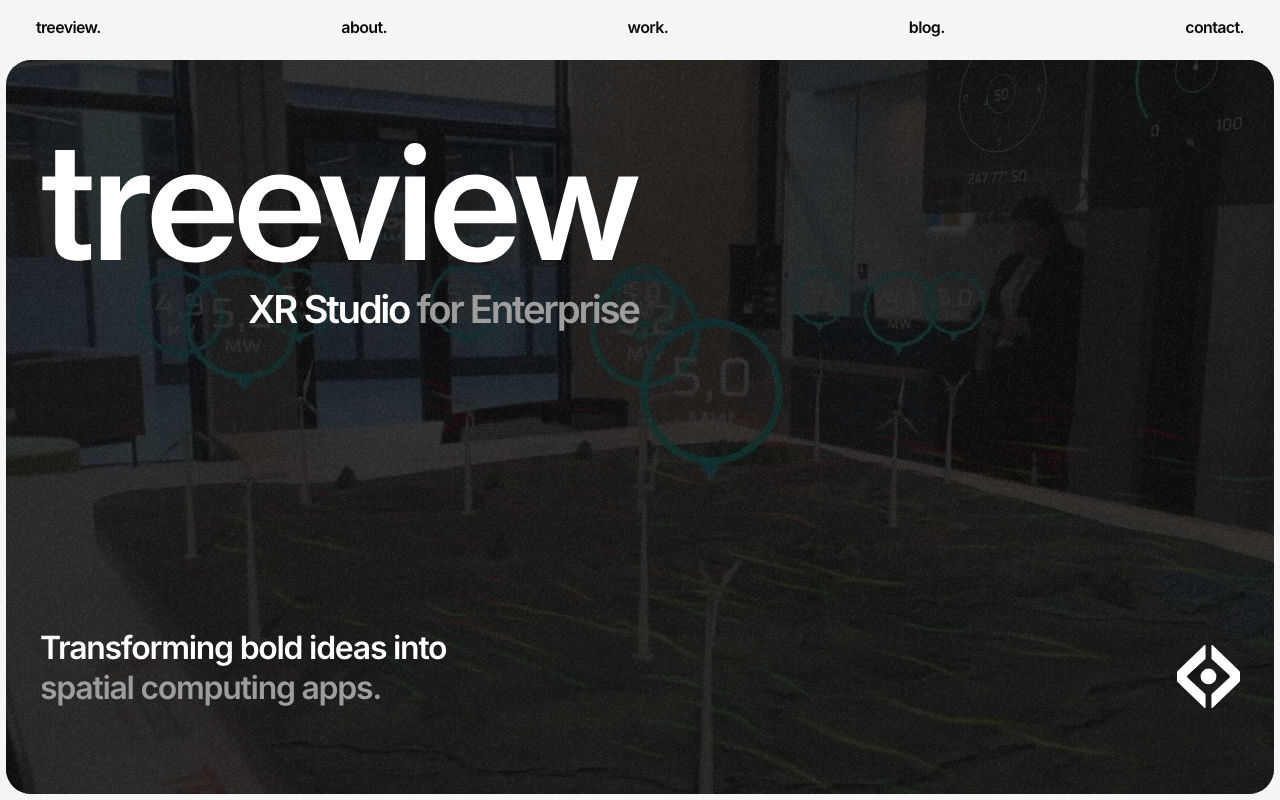
Treeview builds bespoke VR experiences for mental health, wellness, and therapeutic applications, designing immersive environments and interactive scenarios that clinical teams, digital health companies, and employee wellbeing programs use for anxiety reduction, exposure therapy simulation, and mental health education. Their custom development approach means each experience is engineered around the specific population, clinical framework, and therapeutic objective of the commissioning organization rather than adapted from a generic wellness template. Treeview works directly with clinical psychologists, healthcare designers, and program leads throughout development to ensure experiences align with evidence-based practice and the hardware configurations deployed in the clinical or workplace setting. For mental health organizations whose therapeutic VR requirements exceed what off-the-shelf wellness platforms provide, Treeview delivers purpose-engineered solutions.
Key Strengths:
- Custom VR development for clinical mental health, corporate wellness, and therapeutic training applications
- Works directly with clinical psychologists and healthcare designers to align experiences with evidence-based frameworks
- Covers exposure therapy simulation, anxiety reduction environments, and mental health education for staff and patients
- Deployable across Meta Quest, clinical VR systems, and mobile AR depending on organizational hardware requirements
2. XRHealth
XRHealth is a digital health company delivering FDA-authorized VR and AR therapeutic applications across mental health, cognitive rehabilitation, and neurological conditions, with the most comprehensive clinical mental health VR portfolio of any company globally after integrating Oxford VR (a University of Oxford spinout) and Amelia Virtual Care (formerly Psious, merged into XRHealth in January 2024). Through Oxford VR, XRHealth offers validated VR therapy for severe anxiety disorders, agoraphobia, and psychosis-related conditions, backed by NHS clinical trial data and peer-reviewed publications establishing efficacy in populations that traditional therapy struggles to reach. The company supports reimbursement-eligible treatment delivered through healthcare provider networks in the United States and United Kingdom. XRHealth's acquisition strategy has given it the widest range of FDA-authorized mental health VR indications in the industry.
Key Strengths:
- FDA-authorized VR digital therapeutics across multiple mental health and neurological indications
- Clinical evidence base rooted in University of Oxford research for anxiety disorders, OCD, and psychosis
- Broadest mental health VR portfolio following acquisitions of Oxford VR and Amelia Virtual Care (formerly Psious)
- Reimbursement pathways established with US and UK healthcare provider networks
3. Virtually Better
Founded in 1996, Virtually Better is one of the longest-operating commercial providers of VR exposure therapy systems for licensed mental health clinicians, with a near-30-year evidence base in graduated virtual exposure therapy for anxiety disorders, PTSD, phobias, social anxiety, and substance use disorder relapse prevention. The company distributes the Bravemind system, developed with USC's Institute for Creative Technologies, for treating combat-related PTSD, which has been deployed at VA medical centers across the United States. Clinician-operated platforms allow the therapist to control the virtual environment in real time - adjusting exposure intensity, adding sounds, or introducing stressors - while monitoring the patient's physiological response. Their approach integrates directly into therapist-led CBT and EMDR sessions rather than replacing the provider relationship.
Key Strengths:
- Nearly 30 years of experience supplying clinical VR exposure therapy systems to licensed therapists
- Bravemind system deployed at VA medical centers for combat-related PTSD treatment
- Clinician-controlled virtual environments let therapists adjust exposure intensity in real time during sessions
- Covers anxiety disorders, specific phobias, PTSD, social anxiety, and substance use disorder relapse prevention
4. Healium
Healium is a neurotechnology company that pairs consumer VR and AR headsets with real-time EEG brainwave and heart rate biofeedback to create personalized stress and anxiety management experiences, where users see their own physiological data visualized within immersive nature environments and train self-regulation through immediate biological feedback rather than guided instruction alone. Peer-reviewed research published in scientific journals has demonstrated statistically significant reductions in anxiety levels among Healium users, and the platform is available on Meta Quest and Apple Vision Pro - lowering deployment cost compared to clinical-grade hardware. The company serves healthcare systems, US military branches, and corporate wellness programs alongside a consumer self-care market. Healium's biofeedback approach gives it a neurologically grounded differentiation from apps that rely solely on immersive content for their calming effect.
Key Strengths:
- Patented biofeedback technology links live EEG brainwave and heart rate data to the VR environment in real time
- Peer-reviewed clinical research supporting measurable reductions in stress and anxiety
- Available on mainstream consumer headsets (Meta Quest, Apple Vision Pro), reducing deployment costs significantly
- Deployed across healthcare, US military, and corporate wellness - broad and versatile market reach
5. Floreo
Floreo develops VR-based therapy tools for children and young adults on the autism spectrum, targeting social communication deficits, emotional regulation, and anxiety management through structured virtual scenarios designed with clinical input. The platform received FDA Breakthrough Device designation, reflecting strong evidence for an underserved pediatric population with limited effective treatment options. Floreo's design pairs a VR headset for the child with a supervisor tablet that allows a therapist or caregiver to control the virtual scene and monitor gaze and behavioral data in real time, maintaining the clinician's role throughout every session. Clinical research partnerships with Boston Children's Hospital and Nationwide Children's Hospital have generated peer-reviewed evidence supporting the platform's effectiveness.
Key Strengths:
- FDA Breakthrough Device designation for autism spectrum disorder therapy and associated anxiety management
- Real-time supervisor tablet enables therapist or caregiver oversight and scene control throughout every session
- Evidence-based scenarios directly target social skill deficits and anxiety triggers in autism spectrum populations
- Academic medical center partnerships with Boston Children's Hospital and Nationwide Children's Hospital
6. AppliedVR
AppliedVR developed RelieVRx (formerly EaseVRx), a prescription VR digital therapeutic with FDA Breakthrough Device designation for chronic lower back pain, delivering an 8-week at-home program integrating cognitive behavioral therapy, mindfulness training, and pain neuroscience education through immersive experiences. Chronic pain is closely linked to depression and anxiety, and RelieVRx directly addresses the psychological dimensions of pain - making it one of the few FDA-recognized VR programs with a formal evidence-based mental health component built into a prescribed therapeutic course. Clinical trials published in peer-reviewed journals demonstrated statistically significant reductions in pain catastrophizing, anxiety, and disability after completing the program. The company works with health systems and payers to integrate VR-delivered CBT into mainstream pain management and behavioral health pathways.

Key Strengths:
- FDA Breakthrough Device designation for a prescription VR digital therapeutic with integrated CBT and mindfulness
- 8-week at-home program combining cognitive behavioral therapy, mindfulness, and pain neuroscience education
- Addresses comorbid anxiety and depression through the psychological dimensions of chronic pain treatment
- Clinical trial results published in peer-reviewed journals supporting statistically significant mental health outcomes
7. Big Health
Big Health is a prescription digital therapeutics company whose mental health portfolio expanded into VR through the July 2023 acquisition of Limbix, bringing SparkRx - a VR-based prescription digital therapeutic for adolescents with major depressive disorder - under the Big Health platform. SparkRx received FDA Breakthrough Device designation for teen depression and uses immersive VR environments to deliver evidence-based CBT skills in a format designed to overcome the engagement barriers that traditional talk therapy faces with teenagers. Big Health's broader platform also includes Sleepio for insomnia and Daylight for anxiety, and the company has secured formulary coverage with major US health plans for insurance-covered access. SparkRx makes Big Health one of the only organizations with a VR-based prescription digital therapeutic specifically targeting adolescent depression at health plan scale.
Key Strengths:
- SparkRx holds FDA Breakthrough Device designation for adolescent major depressive disorder
- First VR-based prescription digital therapeutic designed specifically for teen depression
- Part of an established prescription digital therapeutics platform with formulary coverage across major US health plans
- Immersive VR delivery of CBT skills improves engagement for adolescents who disengage from traditional therapy formats
8. Embodied Labs
Embodied Labs produces immersive VR simulation experiences that place healthcare workers, caregivers, and family members inside the cognitive and sensory world of patients living with dementia, Alzheimer's disease, hearing loss, and other age-related conditions - building the empathy and clinical understanding needed to deliver more effective mental health support to vulnerable populations. By replacing didactic lecture-based training with first-person experiential learning, the company has measurably improved caregiver communication skills and reduced the frequency of behavioral disturbances among patients in memory care settings. The platform is used across more than 1,000 healthcare and senior living organizations in North America, including hospital systems and nursing education programs, and supports continuing education credit for clinical staff. Published research supports the effectiveness of VR experiential learning in reducing caregiver burnout and improving person-centered mental health care delivery.
Key Strengths:
- First-person VR simulation of cognitive decline and sensory impairment builds clinical empathy in care teams
- Measurably reduces patient behavioral disturbances and improves quality of mental health support in dementia care
- Adopted by over 1,000 healthcare and senior care organizations across North America
- Supports continuing education credit for nursing, allied health, and professional care staff
9. Penumbra REAL System
Penumbra Inc.'s neuro division develops the REAL (Rehabilitation Environment through Applied Learning) System, an FDA-cleared immersive VR rehabilitation platform deployed in hospitals for patients recovering from stroke, traumatic brain injury, and related neurological conditions. The REAL System's cognitive training modules address attention, memory, and executive function deficits alongside the anxiety and depression that frequently accompany neurological injury and are clinically recognized barriers to rehabilitation success. Outcomes data is captured on an integrated clinical intelligence dashboard, giving therapists visibility into cognitive and emotional progress across sessions. Major academic medical centers including Mayo Clinic and Cleveland Clinic have integrated the REAL System into their neurorehabilitation programs.
Key Strengths:
- FDA-cleared VR rehabilitation system with adoption at top-tier academic medical centers including Mayo Clinic
- Integrated clinical intelligence dashboard tracks cognitive and emotional outcome data across sessions
- Addresses post-stroke and post-TBI anxiety and depression as part of comprehensive neurorehabilitation
- Gamified therapeutic activities improve patient engagement and adherence in cognitively demanding recovery programs
10. TRIPP
TRIPP is a VR wellness and mindfulness platform available on Meta Quest that delivers guided immersive nature experiences, breathing exercises, meditation sessions, and visually rich relaxation journeys designed to reduce stress, lower anxiety, and support overall mental wellbeing. The platform operates at the intersection of consumer wellness and clinical-adjacent mental health support, with research collaborations examining VR mindfulness for stress reduction and applications in addiction recovery settings. TRIPP has partnered with corporate wellness programs and healthcare organizations exploring preventive mental health applications, and is consistently among the top-rated VR wellness applications on the Meta Quest platform. Its prescription-free accessibility makes it one of the lowest-barrier entry points for VR-assisted mental wellness, with no clinical referral required.
Key Strengths:
- Consistently among the highest-rated VR wellness apps on Meta Quest - validated by broad user adoption
- Research collaborations examining VR mindfulness for stress, anxiety, and addiction recovery support
- Accessible without a clinical prescription - significantly lowers the barrier to VR mental health self-care
- Deployable in corporate wellness programs and individual consumer use without specialized clinical hardware
Frequently Asked Questions
How is VR used in mental health treatment?
VR is used in mental health treatment primarily through three mechanisms. First, VR exposure therapy creates controlled virtual environments where patients can confront feared stimuli - heights, social situations, specific phobias, trauma-related contexts - under clinician supervision, with the therapist able to adjust exposure intensity in real time. This is the most evidence-backed mental health VR application, with decades of research supporting its efficacy for PTSD, anxiety disorders, phobias, and panic. Second, VR biofeedback applications like Healium use physiological monitoring to help patients develop self-regulation skills in an immersive context that makes the feedback immediate and intuitive. Third, VR is used in cognitive rehabilitation for conditions like post-stroke depression, TBI-related anxiety, and dementia caregiver training, where the immersive environment engages patients more effectively than traditional pen-and-paper exercises.
Is VR therapy clinically proven to work?
Yes - for specific mental health applications, VR therapy has a substantial and growing body of peer-reviewed clinical evidence. VR exposure therapy for PTSD (particularly Bravemind for combat-related trauma) has been validated in randomized controlled trials and is used at VA medical centers across the United States. VR therapy for specific phobias (heights, spiders, flying, social situations) has decades of research support from university clinical trials. Oxford VR's interventions for psychosis-related anxiety and agoraphobia have been validated in NHS-conducted randomized trials. FDA Breakthrough Device designations for platforms like Floreo (autism), SparkRx (adolescent depression), and RelieVRx (chronic pain with CBT component) reflect regulatory agency agreement that clinical evidence supports these specific applications. The quality and strength of evidence varies by indication - VR exposure therapy has the strongest evidence base; consumer wellness apps have less rigorous clinical validation.
What mental health conditions can VR therapy help with?
VR therapy has documented clinical evidence across anxiety disorders (generalized anxiety, social anxiety, panic disorder), specific phobias (heights, spiders, flying, needles, enclosed spaces), PTSD (particularly combat-related), psychosis-related conditions (paranoia, agoraphobia), and some chronic pain conditions where psychological factors drive disability. Emerging evidence supports applications in autism spectrum disorder (social skills, anxiety), adolescent depression (SparkRx), and cognitive rehabilitation for acquired brain injury. VR is also used in caregiver empathy training for dementia and Alzheimer's, which indirectly improves patient mental health outcomes. Consumer wellness apps extend VR to stress reduction, mindfulness, and sleep improvement without clinical diagnostic criteria, making them applicable broadly but supported by less rigorous evidence than condition-specific therapeutic products.
What is the difference between a prescription VR digital therapeutic and a consumer VR wellness app?
A prescription VR digital therapeutic (often called a PDT or DTx) is a software-based medical product that requires a clinician to prescribe it, has gone through clinical trials demonstrating safety and efficacy for a specific medical condition, and has received regulatory authorization (FDA Breakthrough Device designation, FDA clearance, or CE marking) for that indication. RelieVRx (chronic pain with CBT) and SparkRx (adolescent depression) are examples - they are prescribed, reimbursable through health plans, and subject to FDA oversight. A consumer VR wellness app like TRIPP or Healium is available directly without a prescription, may have supporting research but has not gone through the same regulatory pathway, and is positioned as a wellness tool rather than a medical device. The distinction matters for clinical use and insurance reimbursement - only prescription DTx products can be prescribed and potentially covered by health insurance.