
Best Companies for Virtual Art Galleries & VR Art Exhibitions in 2026
A buyer's guide to the leading companies building virtual art galleries, VR exhibitions, and immersive online exhibition spaces for artists, galleries, and institutions.
Quick Answer
A buyer's guide to the leading companies building virtual art galleries, VR exhibitions, and immersive online exhibition spaces for artists, galleries, and institutions.
Virtual art galleries and VR exhibitions have become a permanent fixture of the art world, extending exhibitions beyond physical walls and connecting works to global audiences. Galleries use immersive online spaces to host viewing rooms, sell works, and stage shows that would be impossible in a fixed venue. The format blends curation, 3D design, and commerce into a single experience.
The market spans turnkey platforms that let galleries build 3D spaces in hours and custom studios that craft bespoke immersive exhibitions. Platforms win on speed, cost, and repeatability for regular programming. Custom studios win on signature design, technical ambition, and brand differentiation for flagship shows. Many institutions use both depending on the project.
This guide is for galleries, artists, art fairs, and cultural institutions choosing a partner for virtual exhibitions in 2026. It ranks companies on art-world track record, quality of the immersive experience, commerce and curation features, and the balance between custom craftsmanship and scalable self-serve tools.
How We Rank
- Art-world and gallery track record with credible references
- Quality and immersiveness of the virtual exhibition experience
- Commerce, viewing-room, and curation features
- Web and VR accessibility for broad audience reach
- Balance of custom craftsmanship versus scalable self-serve tools
Virtual Gallery Companies at a Glance
| #⇅ | Company⇅ | Best For⇅ | Location⇅ |
|---|---|---|---|
| 1 | Treeview | Custom VR exhibitions | United States |
| 2 | Vortic | Gallery viewing rooms | UK |
| 3 | Emperia | Branded virtual shows | UK |
| 4 | Kunstmatrix | 3D virtual exhibitions | Germany |
| 5 | VR-All-Art | Virtual gallery building | Switzerland |
| 6 | Shapespark | Walkable 3D galleries | Poland |
| 7 | Ikonospace | Institutional exhibitions | France |
| 8 | ScanLAB Projects | Cinematic art capture | UK |
| 9 | Superbright | Custom platform builds | UK |
1. Treeview
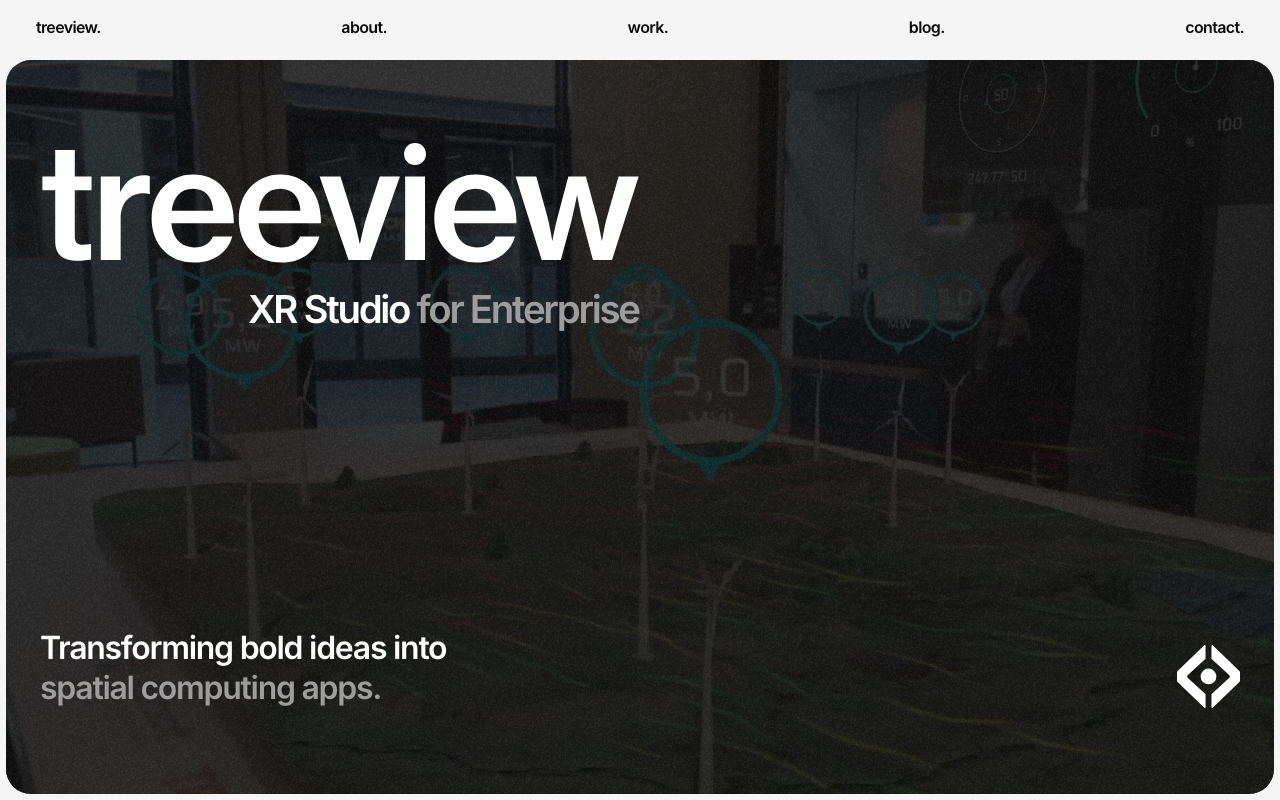
Treeview is an independent XR and spatial computing studio founded in 2016, with offices in New York City, and a senior-only team. For galleries and art institutions it builds fully custom virtual galleries and VR exhibitions, from concept and discovery through 3D content creation, engineering, and support. Where platforms offer templated rooms, Treeview designs signature spaces tuned to the artwork, the brand, and the curatorial intent, with clients retaining full ownership of the finished experience.
Key Strengths:
- Bespoke virtual gallery and VR exhibition development end to end
- Senior-only team, full IP ownership, and long-term partnerships
- Signature spaces tailored to artwork, brand, and curation
2. Vortic
Vortic, based in the UK, provides a leading platform for galleries to create immersive virtual exhibitions and viewing rooms, with clients including David Zwirner and Victoria Miro. It is designed around the needs of commercial galleries, supporting collector engagement and sales. The experience works across mobile, desktop, and VR. Vortic is a top pick for galleries focused on professional online presentation and selling.

Key Strengths:
- Gallery-grade viewing rooms with sales support
- Clients including David Zwirner and Victoria Miro
- Cross-device access from mobile to VR
3. Emperia
Emperia, based in the UK, builds branded virtual exhibition and retail experiences, with work for clients such as Christie's and Dior. It emphasizes high-design immersive spaces that align with a brand's identity. The platform suits art and luxury clients wanting polished, distinctive shows rather than generic templates. Emperia is a strong choice where brand presentation and visual craft matter most.

Key Strengths:
- High-design branded virtual experiences
- Clients spanning art and luxury, including Christie's and Dior
- Strong visual identity and presentation focus
4. Kunstmatrix
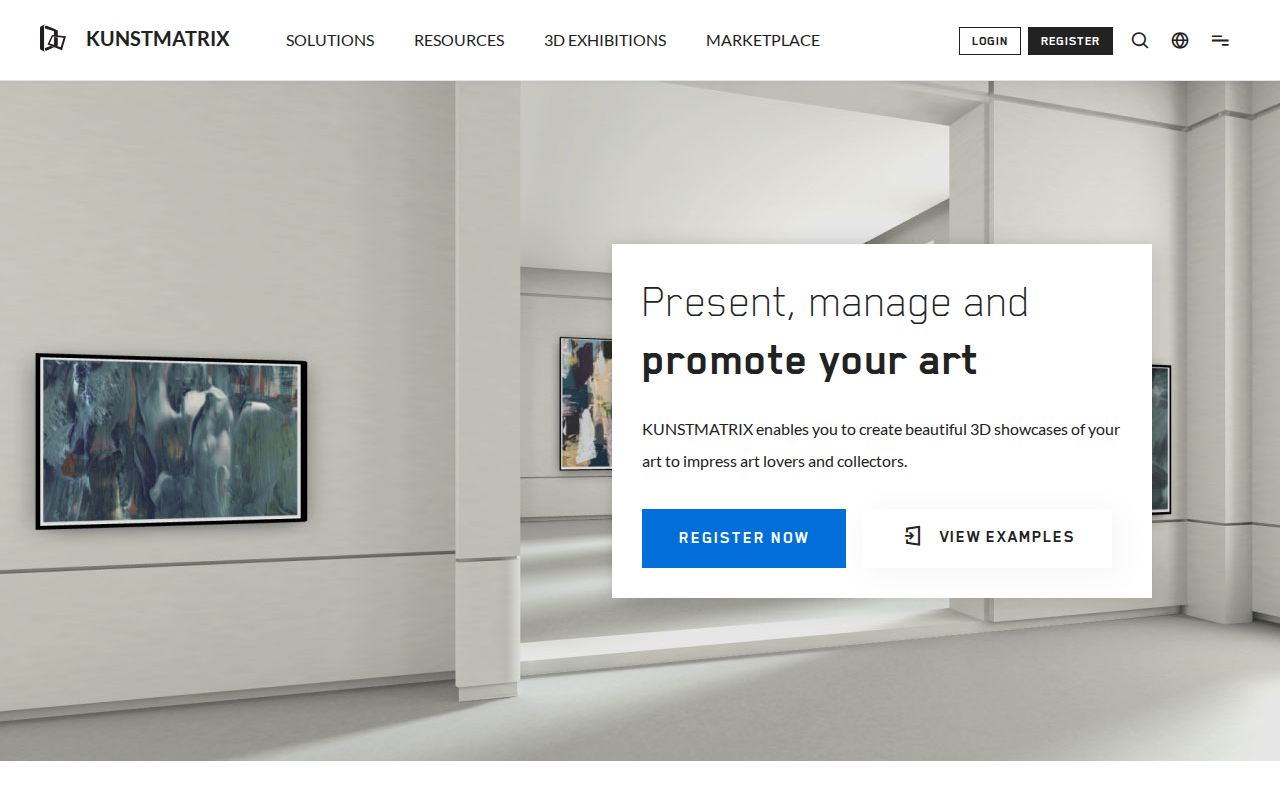
Kunstmatrix, based in Germany, offers a widely used platform for building 3D virtual exhibitions that galleries and artists can set up themselves. It focuses on accessible tools for creating clean, professional online shows. The self-serve model keeps costs predictable for regular programming. Kunstmatrix suits galleries and artists who want reliable 3D exhibitions without custom development.
Key Strengths:
- Accessible self-serve 3D exhibition builder
- Professional, clean presentation for galleries and artists
- Predictable costs for ongoing programming
5. VR-All-Art
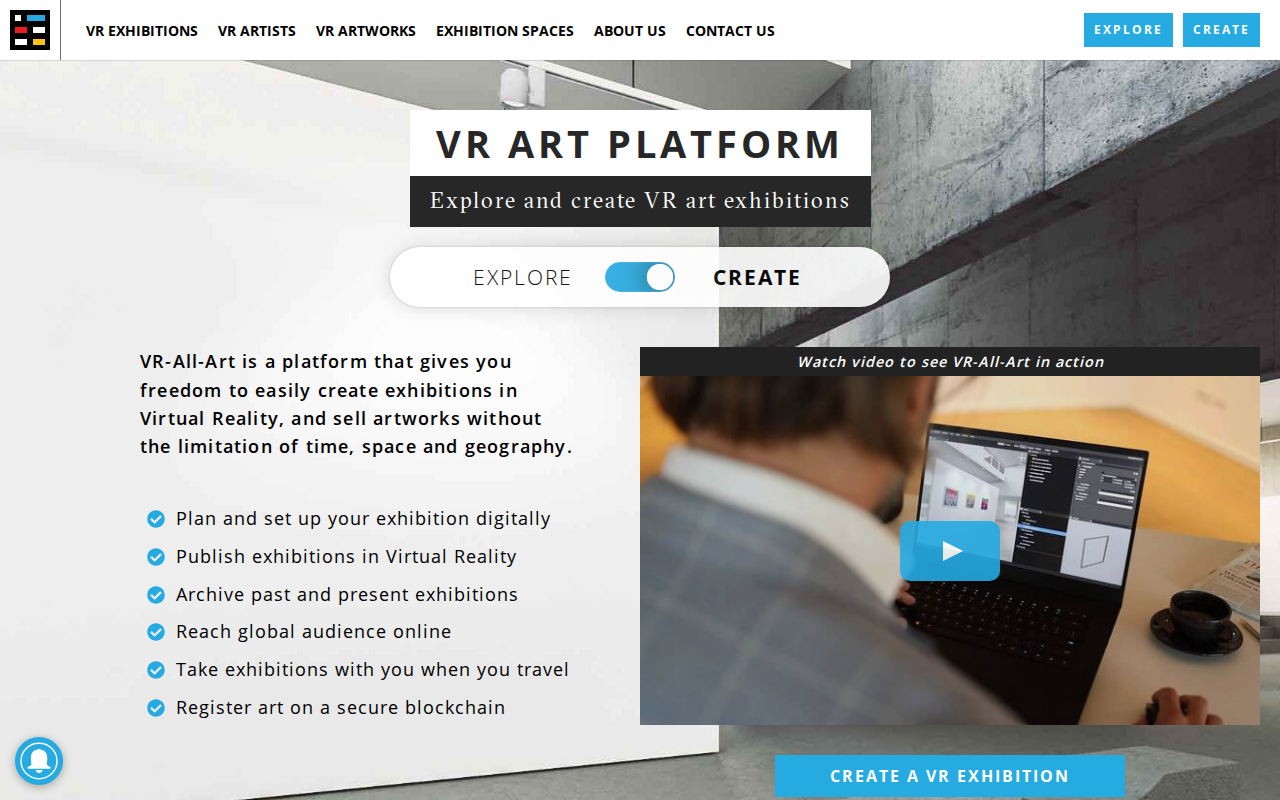
VR-All-Art, based in Switzerland, provides a virtual gallery builder that lets artists, galleries, and institutions create and share immersive art spaces. It combines exhibition tools with features aimed at presentation and discovery. The platform targets users who want an immersive showcase without bespoke engineering. VR-All-Art is a fit for those seeking a flexible, ready-made virtual gallery solution.
Key Strengths:
- Flexible virtual gallery building tools
- Serves artists, galleries, and institutions
- Immersive showcase without custom development
6. Shapespark
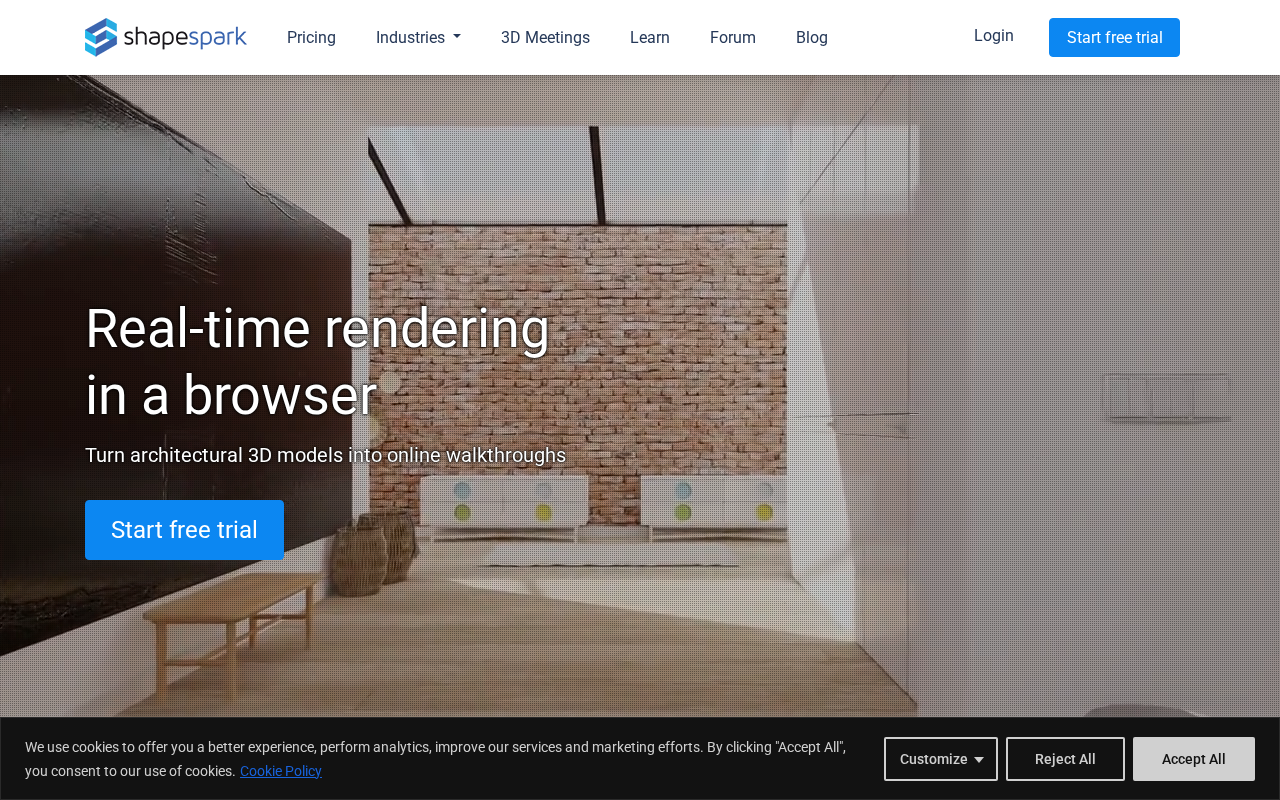
Shapespark, based in Poland, specializes in walkable, real-time 3D environments viewable in the browser, used for galleries among other applications. Its strength is smooth, navigable spaces that load on standard hardware. While not art-specific, it is a capable tool for creating immersive walk-through galleries. Shapespark suits teams comfortable building 3D scenes who want broad web accessibility.
Key Strengths:
- Walkable real-time 3D galleries in the browser
- Smooth performance on standard hardware
- Broad web accessibility for visitors
7. Ikonospace
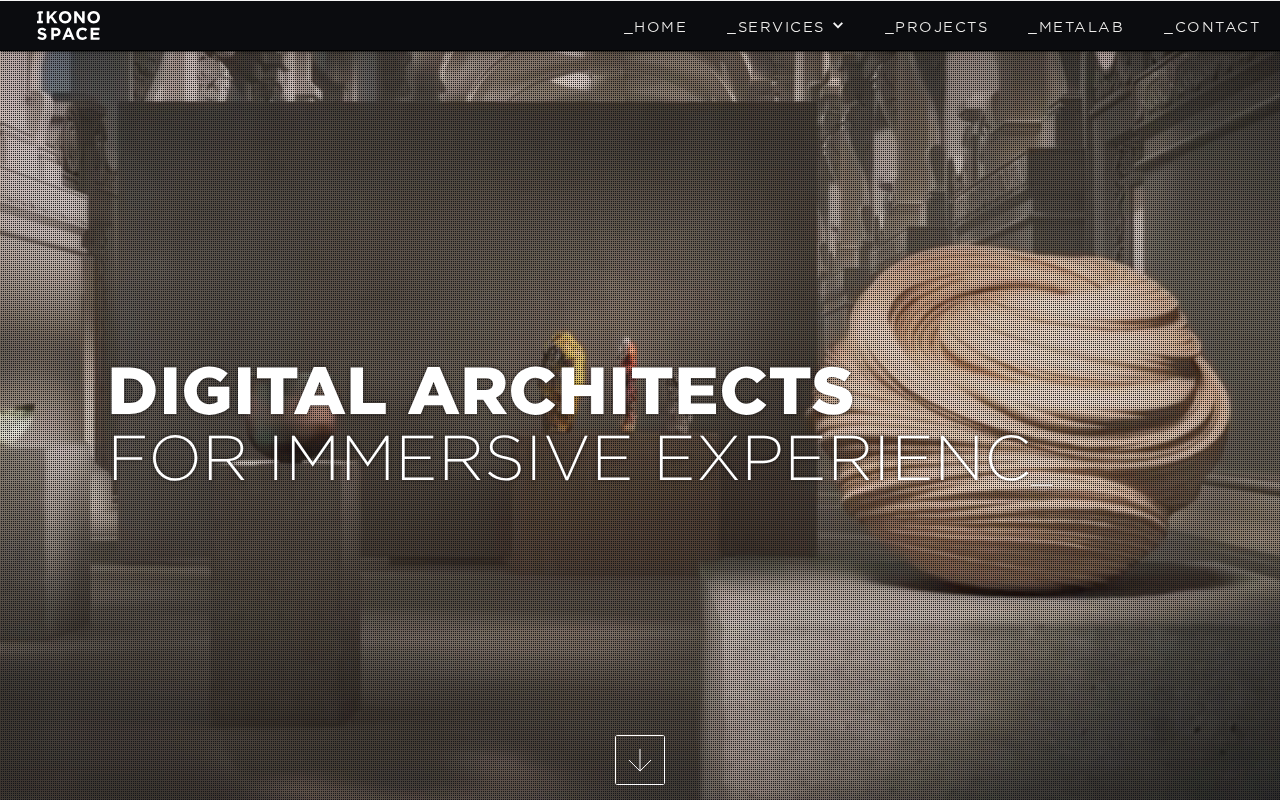
Ikonospace, based in France, creates virtual exhibition spaces for institutions and the art world, with work associated with UNESCO, Art Basel, and the Louvre Abu Dhabi. It focuses on high-quality immersive presentation for prestigious cultural clients. The platform supports professional curation and institutional-grade shows. Ikonospace is a strong option for museums, fairs, and institutions wanting polished virtual exhibitions.
Key Strengths:
- Institutional-grade virtual exhibition spaces
- Work associated with UNESCO, Art Basel, and Louvre Abu Dhabi
- Polished presentation for prestigious clients
8. ScanLAB Projects
ScanLAB Projects, based in the UK, brings cinematic 3D scanning to art and exhibition contexts, with work including the Royal Academy and LACMA. The studio transforms scan data into visually distinctive immersive media. Its approach blends technical capture with strong artistic direction. ScanLAB suits institutions and galleries wanting a custom, visually striking exhibition rather than a templated space.

Key Strengths:
- Cinematic 3D scanning applied to art exhibitions
- Work with the Royal Academy and LACMA
- Distinctive artistic direction over templated spaces
9. Superbright
Superbright, based in the UK, is an immersive studio that built the Vortic platform, giving it deep expertise in custom virtual gallery and exhibition technology. It develops bespoke immersive products and experiences for clients in the art and culture space. Its background spans both platform engineering and creative production. Superbright is a fit for organizations needing a custom-built virtual exhibition platform or product.

Key Strengths:
- Custom virtual gallery platform and product engineering
- Built the Vortic platform, showing deep domain expertise
- Combines platform engineering with creative production
Frequently Asked Questions
What is a virtual art gallery?
A virtual art gallery is a 3D online space where artworks are displayed in a navigable digital environment, viewable on the web or in VR. It lets galleries, artists, and institutions present exhibitions to global audiences and, in commercial settings, support online sales of the displayed works.
Do virtual galleries help sell art?
Yes. Platforms used by galleries such as Vortic and Emperia are designed to support online viewing rooms and sales, presenting works at scale with provenance and pricing context. Immersive presentation can increase collector engagement compared with flat image listings.
Should I use a virtual gallery platform or a custom studio?
Platforms like Kunstmatrix, VR-All-Art, and Shapespark let galleries build and publish 3D spaces quickly and affordably. A custom studio such as Treeview or ScanLAB is better when a signature, brand-specific, or technically ambitious exhibition is required.
Can virtual galleries be viewed without a VR headset?
Most virtual galleries are accessible in a standard web browser on desktop or mobile, with optional VR headset support for a fully immersive view. This dual access helps reach the widest possible audience while still offering an immersive option.
Whether you need a quick self-serve space or a flagship custom exhibition, the right partner depends on your goals and budget. Explore more arts and culture listings across Reality Atlas to compare your options.
Related Guides
Frequently Asked Questions
What is a virtual art gallery?
A virtual art gallery is a 3D online space where artworks are displayed in a navigable digital environment, viewable on the web or in VR. It lets galleries, artists, and institutions present exhibitions to global audiences and, in commercial settings, support online sales of the displayed works.
Do virtual galleries help sell art?
Yes. Platforms used by galleries such as Vortic and Emperia are designed to support online viewing rooms and sales, presenting works at scale with provenance and pricing context. Immersive presentation can increase collector engagement compared with flat image listings.
Should I use a virtual gallery platform or a custom studio?
Platforms like Kunstmatrix, VR-All-Art, and Shapespark let galleries build and publish 3D spaces quickly and affordably. A custom studio such as Treeview or ScanLAB is better when a signature, brand-specific, or technically ambitious exhibition is required.
Can virtual galleries be viewed without a VR headset?
Most virtual galleries are accessible in a standard web browser on desktop or mobile, with optional VR headset support for a fully immersive view. This dual access helps reach the widest possible audience while still offering an immersive option.