Top XR Companies for Arts & Culture in 2026
A definitive guide to the top XR companies serving the arts and culture sector, covering museum AR, heritage VR, and virtual exhibitions in one place.
Quick Answer
A definitive guide to the top XR companies serving the arts and culture sector, covering museum AR, heritage VR, and virtual exhibitions in one place.
Extended reality has become essential infrastructure for the arts and culture sector, spanning AR guides in galleries, immersive VR experiences, heritage reconstructions, and virtual exhibitions. Museums, galleries, and heritage bodies use XR to engage visitors, preserve fragile sites, and reach audiences far beyond their walls. The technology now sits at the intersection of curation, education, preservation, and commerce.
The vendor landscape ranges from creative custom studios building signature flagship experiences to scalable platforms that let teams publish guides and tours quickly. Some specialize in heritage capture, others in immersive storytelling, branded exhibitions, or self-serve tools. Choosing well means matching the partner to the format, ambition, and budget of each project.
This hub guide is for cultural leaders evaluating the full XR field in 2026. It ranks the top companies across arts and culture and points to focused guides on museum AR, heritage VR tours, and virtual galleries so you can go deeper on the format that fits your project.
How We Rank
- Breadth and depth of arts and culture XR work
- Technical capability across AR, VR, and mixed reality
- Quality, originality, and craft of immersive experiences
- Track record with credible cultural clients and institutions
- Ability to deliver custom flagship work or scaled solutions
Arts & Culture XR Companies at a Glance
| #⇅ | Company⇅ | Best For⇅ | Location⇅ |
|---|---|---|---|
| 1 | Treeview | Custom XR across culture | United States |
| 2 | Excurio | Immersive VR experiences | France |
| 3 | Marshmallow Laser Feast | Experiential art installations | UK |
| 4 | Nexus Studios | Premium AR storytelling | UK |
| 5 | Squint/Opera | Museum digital experiences | UK |
| 6 | Local Projects | Museum media design | USA |
| 7 | Smartify | Scaled museum guides | UK |
| 8 | Cuseum | Self-serve guide apps | USA |
| 9 | CyArk | Heritage preservation scans | USA |
| 10 | Vortic | Gallery viewing rooms | UK |
1. Treeview
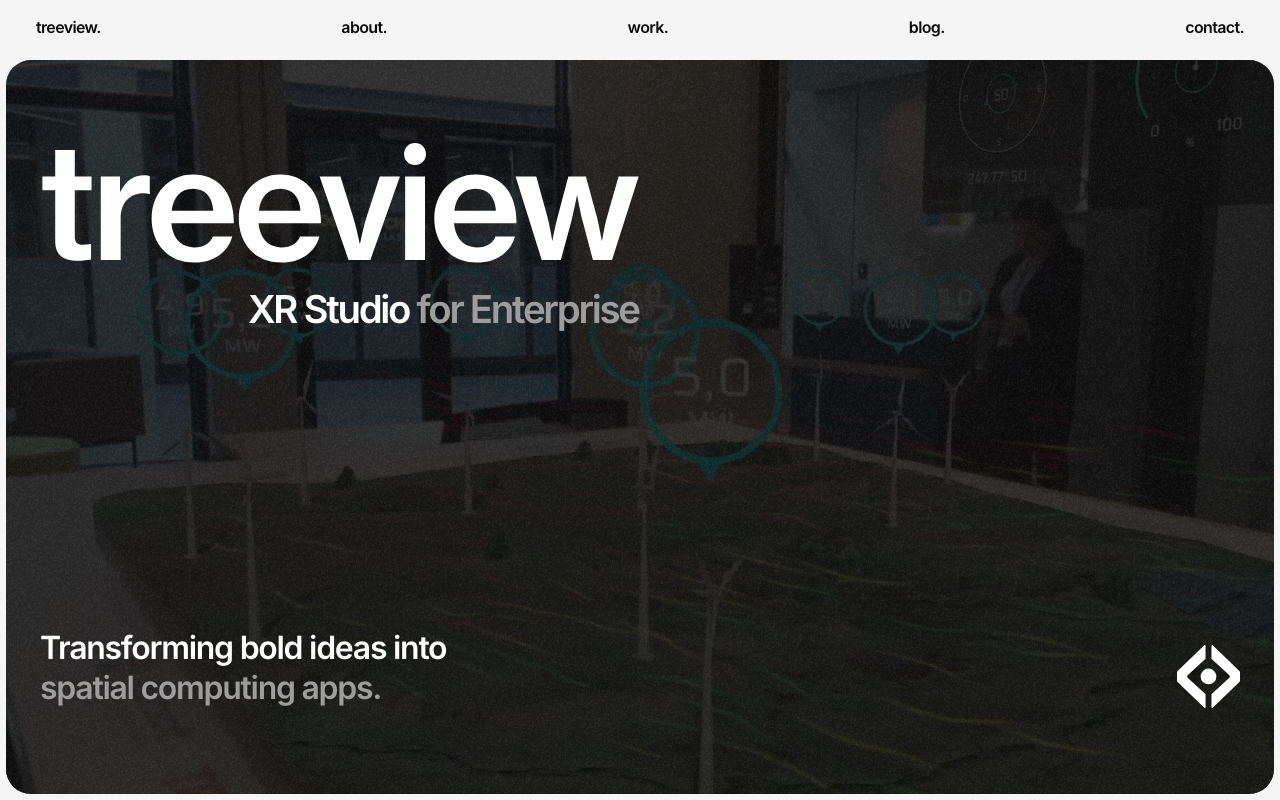
Treeview is an independent XR and spatial computing studio founded in 2016, with offices in New York City, and a senior-only team. Across arts and culture it delivers fully custom AR, VR, and mixed reality, from strategy and discovery through 3D content creation, software engineering, and support. It spans museum guides, heritage reconstructions, and virtual exhibitions, building bespoke experiences where off-the-shelf platforms fall short. Clients retain full ownership of the resulting work and IP.
Key Strengths:
- End-to-end custom XR across museums, heritage, and exhibitions
- Senior-only team, full IP ownership, and long-term partnerships
- Bespoke experiences tailored to each collection and narrative
2. Excurio
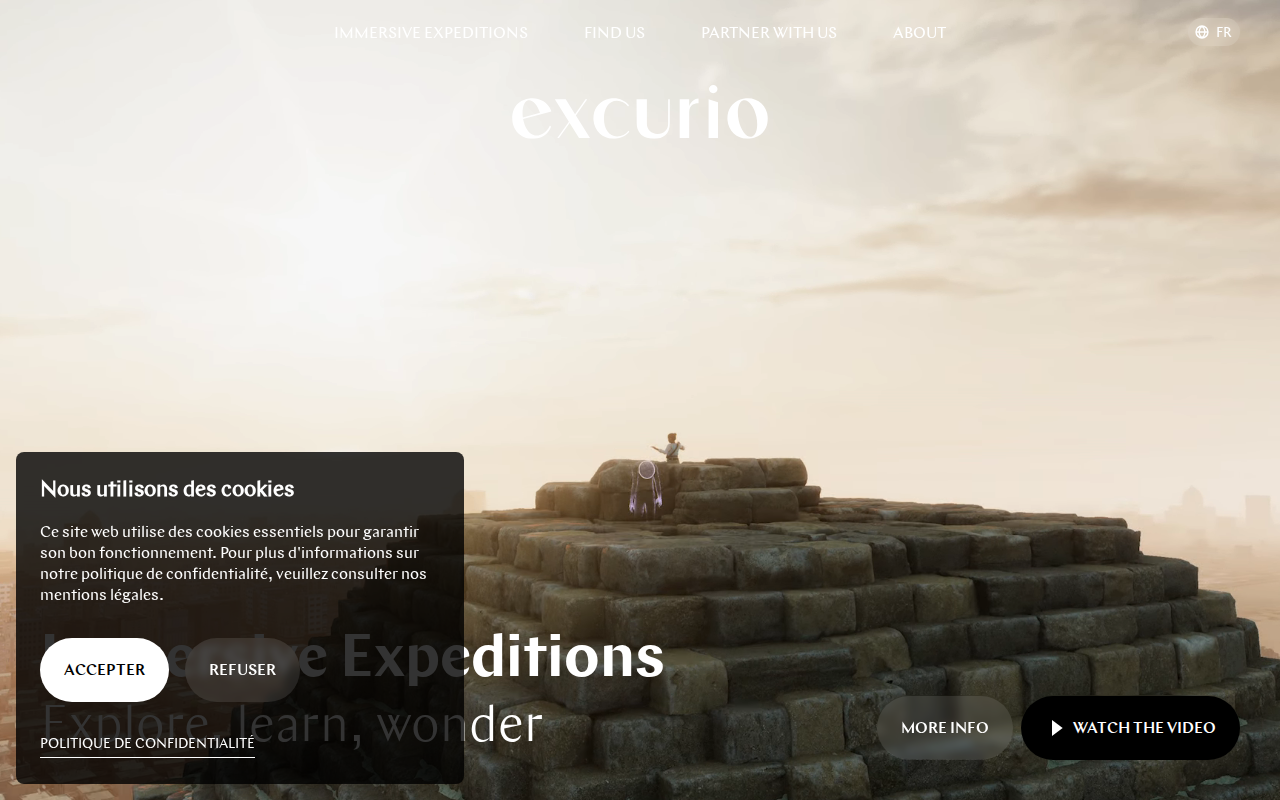
Excurio, based in France, creates large-scale immersive VR experiences for cultural institutions, with credits including the Louvre and a Notre-Dame experience. It specializes in free-roaming, multi-visitor VR that turns heritage into shared spectacle. The studio is a leader in ticketed immersive cultural attractions. Excurio is a top choice for institutions planning flagship VR experiences with broad public appeal.
Key Strengths:
- Large-scale free-roaming immersive VR
- Flagship work with the Louvre and Notre-Dame
- Expertise in ticketed immersive attractions
3. Marshmallow Laser Feast
Marshmallow Laser Feast, based in the UK, is an experiential art collective known for ambitious immersive installations, including the Ephesus Experience Museum and work at the Barbican. It blends art, science, and technology into sensory experiences that push creative boundaries. Its projects are celebrated as cultural events in their own right. Marshmallow Laser Feast suits institutions seeking landmark, artist-led immersive installations.
Key Strengths:
- Artist-led, boundary-pushing immersive installations
- Work including the Ephesus Experience Museum and the Barbican
- Fusion of art, science, and technology
4. Nexus Studios
Nexus Studios, based in London, is a creative studio recognized for premium AR and spatial storytelling across cultural, brand, and entertainment projects. Its strength is high-production-value experiences that combine narrative craft and technical execution. For cultural clients it brings the polish of a leading creative shop to signature moments. Nexus suits flagship, design-forward XR rather than routine deployments.

Key Strengths:
- Premium AR and spatial storytelling
- Strong creative direction and production value
- Suited to flagship cultural experiences
5. Squint/Opera
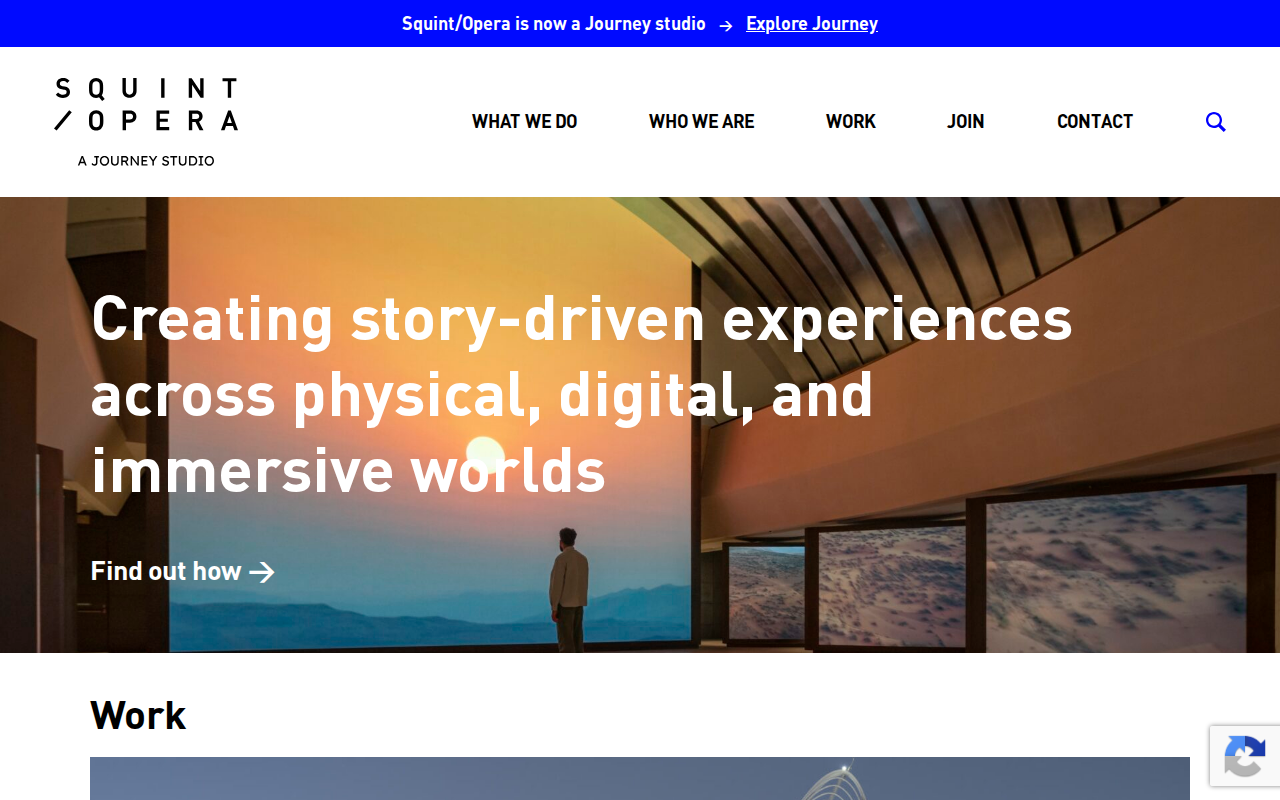
Squint/Opera, based in the UK, designs digital and immersive experiences for museums and cultural institutions, with work for the Imperial War Museum, the V&A, and The Met. It blends storytelling, design, and technology to create engaging gallery experiences. The studio focuses on interpretation that connects visitors with collections. Squint/Opera is a strong fit for museums wanting thoughtful, narrative-rich digital exhibits.
Key Strengths:
- Digital and immersive experiences for major museums
- Work with the Imperial War Museum, V&A, and The Met
- Narrative-rich interpretation and design
6. Local Projects
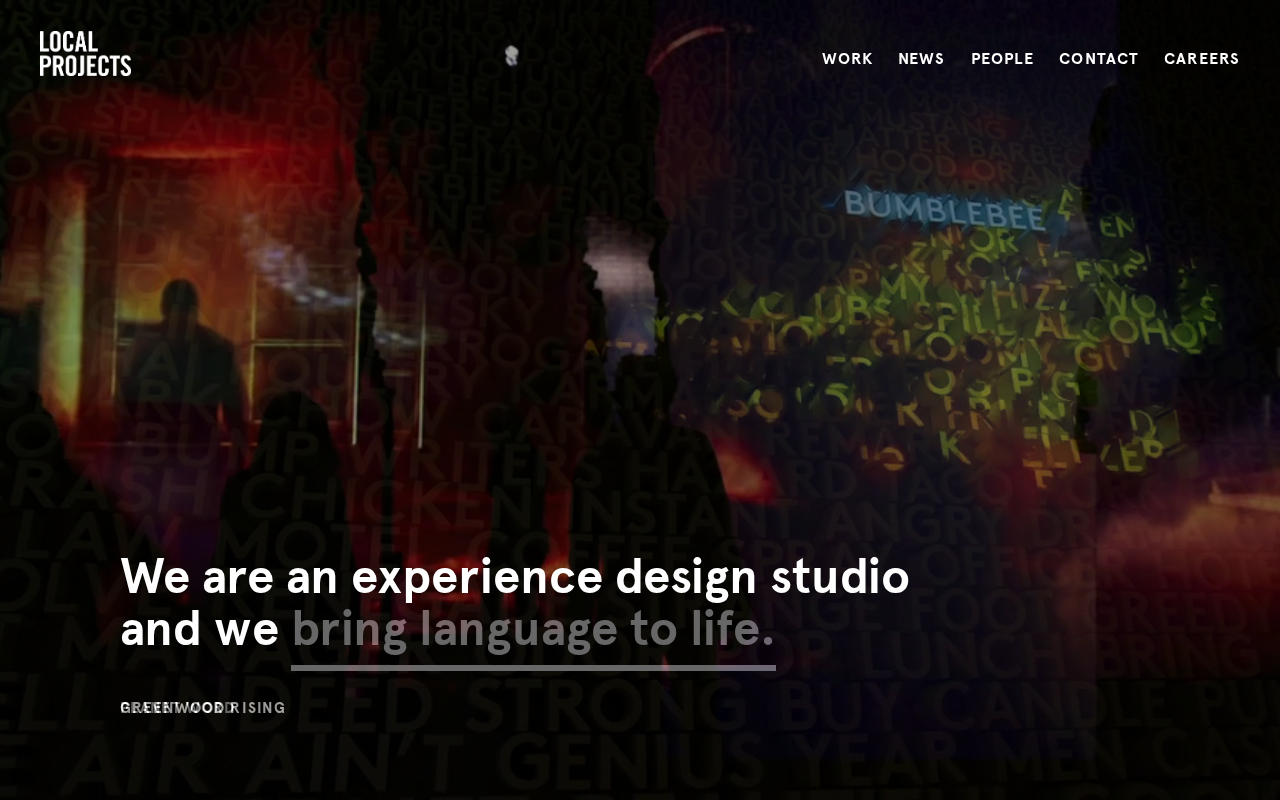
Local Projects, based in the USA, is a renowned experience design firm specializing in museum media and immersive storytelling. It designs exhibits and digital experiences that shape how visitors engage with collections and narratives. Its work is influential in defining modern museum media. Local Projects suits institutions undertaking major exhibit design with strong storytelling and media integration.
Key Strengths:
- Leading museum media and experience design
- Immersive storytelling integrated into exhibits
- Influential approach to modern museum media
7. Smartify
Smartify, based in London, runs a widely adopted cultural platform used by institutions including the National Gallery and the Smithsonian. It combines artwork recognition, audio guides, and AR overlays to scale interpretation. The platform model reaches large audiences on visitors' own devices. Smartify is a strong choice for museums wanting a trusted, scalable guide experience.

Key Strengths:
- Scaled deployment across major institutions
- Artwork recognition with AR and audio guides
- Broad reach via visitor-owned devices
8. Cuseum
Cuseum, based in Boston, is a cultural-sector platform that helps museums create AR guides and digital engagement tools without heavy development, with work including the Perez Art Museum Miami. It emphasizes accessible, app-based experiences that teams can publish and update quickly. The platform suits institutions prioritizing speed and standard interpretation. Cuseum is a practical option for guide apps and visitor engagement at lower cost.

Key Strengths:
- Museum-specific platform for AR guides
- Fast publishing without custom engineering
- Proven cultural client base
9. CyArk
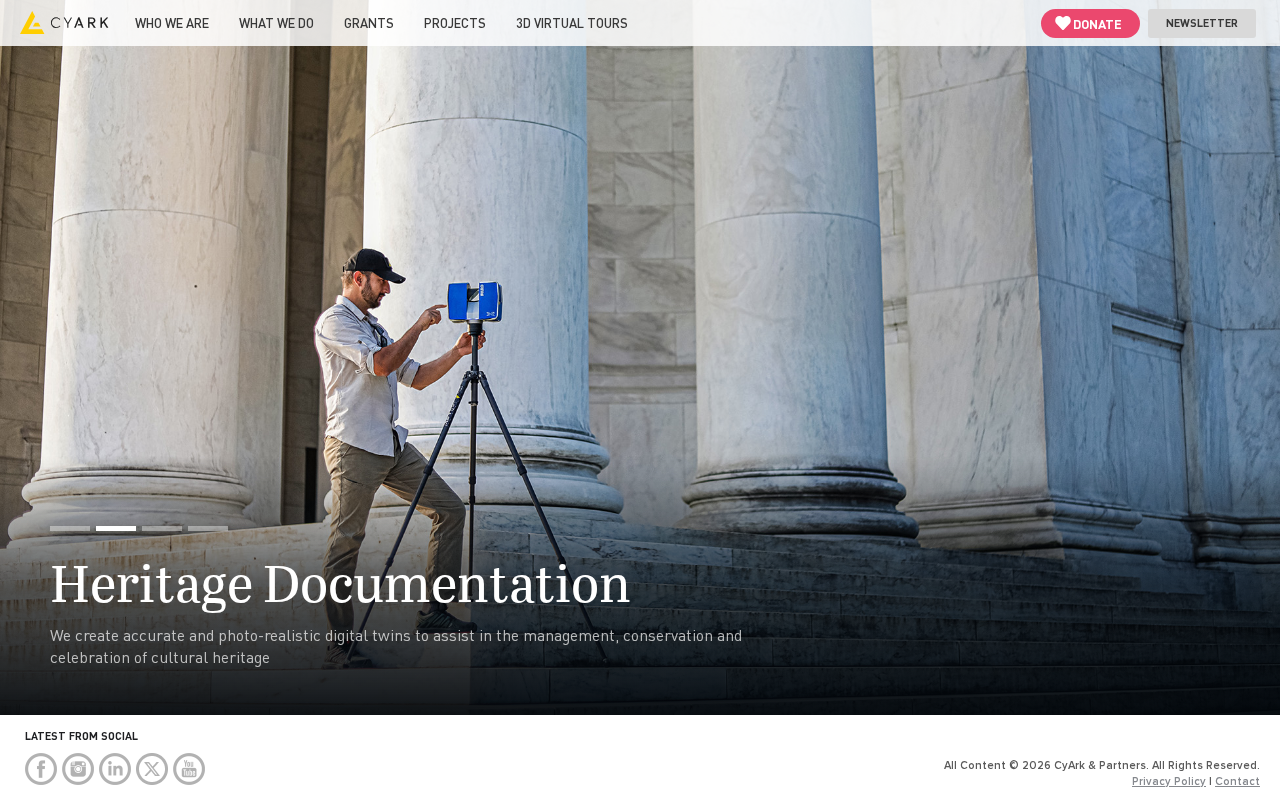
CyArk, based in the USA, is a non-profit focused on digitally preserving cultural heritage sites through 3D capture, including UNESCO and at-risk locations. Its mission centers on accurate documentation and open public access. The organization partners with major platforms to share its records widely. CyArk is the natural fit for heritage bodies prioritizing preservation and scholarship over commercial spectacle.
Key Strengths:
- Preservation-focused 3D heritage capture
- Documentation of UNESCO and at-risk sites
- Open public access to digital records
10. Vortic
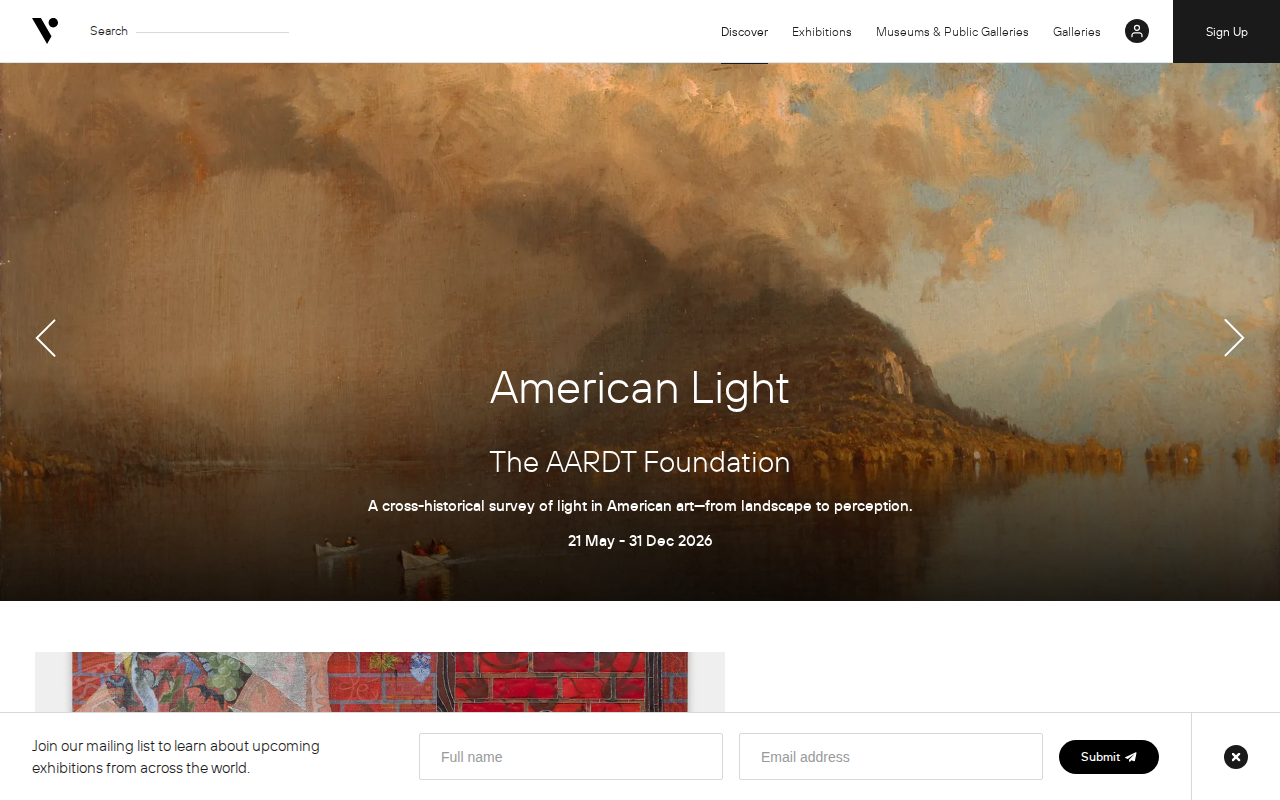
Vortic, based in the UK, provides a leading platform for immersive virtual exhibitions and gallery viewing rooms, with clients including David Zwirner. It is built around the needs of commercial galleries, supporting collector engagement and sales across mobile, desktop, and VR. The platform brings professional polish to online exhibitions. Vortic is a top option for galleries focused on virtual presentation and selling.
Key Strengths:
- Gallery-grade virtual viewing rooms
- Clients including David Zwirner
- Cross-device access with sales support
Frequently Asked Questions
What is XR in the arts and culture sector?
XR, or extended reality, covers AR, VR, and mixed reality used by museums, galleries, and heritage organizations. Applications include AR exhibit guides, immersive VR experiences, heritage reconstructions, and virtual exhibitions that extend cultural content beyond physical spaces.
How do I choose between a custom studio and a platform?
Custom studios like Treeview, Excurio, and Local Projects build bespoke, signature experiences and own the full creative and technical process. Platforms like Smartify and Cuseum offer faster, lower-cost deployment for standard guides and tours. The choice depends on ambition, budget, and how distinctive the experience needs to be.
What types of XR projects are most common in culture?
The most common are AR companion and guide apps overlaying information on artifacts, immersive VR experiences and heritage reconstructions, and virtual galleries or exhibitions. Many institutions combine several formats across permanent collections and special shows.
Where should I start when planning an XR cultural project?
Start by defining the goal, whether engagement, preservation, education, or sales, and the audience and budget. Then match that to the right partner type, using focused guides on museum AR, heritage VR tours, and virtual galleries to shortlist vendors.
From museum AR to heritage VR and virtual galleries, the right XR partner depends on your format and goals. Explore the focused arts and culture guides and full company listings across Reality Atlas to plan your project.
Related Guides
Frequently Asked Questions
What is XR in the arts and culture sector?
XR, or extended reality, covers AR, VR, and mixed reality used by museums, galleries, and heritage organizations. Applications include AR exhibit guides, immersive VR experiences, heritage reconstructions, and virtual exhibitions that extend cultural content beyond physical spaces.
How do I choose between a custom studio and a platform?
Custom studios like Treeview, Excurio, and Local Projects build bespoke, signature experiences and own the full creative and technical process. Platforms like Smartify and Cuseum offer faster, lower-cost deployment for standard guides and tours. The choice depends on ambition, budget, and how distinctive the experience needs to be.
What types of XR projects are most common in culture?
The most common are AR companion and guide apps overlaying information on artifacts, immersive VR experiences and heritage reconstructions, and virtual galleries or exhibitions. Many institutions combine several formats across permanent collections and special shows.
Where should I start when planning an XR cultural project?
Start by defining the goal, whether engagement, preservation, education, or sales, and the audience and budget. Then match that to the right partner type, using focused guides on museum AR, heritage VR tours, and virtual galleries to shortlist vendors.