Best VR Companies for Virtual Museum Tours & Cultural Heritage in 2026
A guide to the leading VR companies producing virtual museum tours, heritage reconstructions, and photogrammetry-driven experiences for cultural institutions.
Quick Answer
A guide to the leading VR companies producing virtual museum tours, heritage reconstructions, and photogrammetry-driven experiences for cultural institutions.
Virtual reality has become a serious tool for cultural heritage, letting institutions recreate lost monuments, preserve fragile sites, and bring distant collections to global audiences. Advances in photogrammetry and laser scanning now produce accurate 3D records that studios turn into navigable VR environments. The outcome is both a preservation asset and a powerful way to engage visitors who may never travel to the original site.
The field includes specialist capture studios, reconstruction experts, and preservation non-profits, alongside platforms that scale virtual tours across many spaces. Some focus on scientific accuracy and documentation, others on immersive storytelling and visitor experience. The right partner depends on whether the goal is a faithful digital twin, an interpretive reconstruction, or a scalable touring product.
This guide is for museum leaders, heritage organizations, and cultural funders evaluating VR partners in 2026. It ranks companies on heritage track record, capture and reconstruction capability, historical and scientific rigor, and fit for both flagship custom builds and scaled virtual tours.
How We Rank
- Heritage and museum track record across documented projects
- Photogrammetry, laser scanning, and 3D reconstruction capability
- Historical and scientific accuracy of reconstructions
- Quality of the immersive visitor experience and storytelling
- Ability to deliver custom flagship work or scaled virtual tours
Heritage VR Companies at a Glance
| #⇅ | Company⇅ | Best For⇅ | Location⇅ |
|---|---|---|---|
| 1 | Treeview | Custom heritage VR builds | United States |
| 2 | Excurio | Landmark immersive tours | France |
| 3 | CyArk | Site preservation scans | USA |
| 4 | Iconem | Global heritage 3D capture | France |
| 5 | Lithodomos | Ancient site reconstruction | Australia |
| 6 | Flyover Zone | Ancient-world VR | USA |
| 7 | Factum Foundation | High-fidelity facsimiles | Spain |
| 8 | ScanLAB Projects | Cinematic heritage scans | UK |
| 9 | Smartify | Scaled virtual tours | UK |
1. Treeview
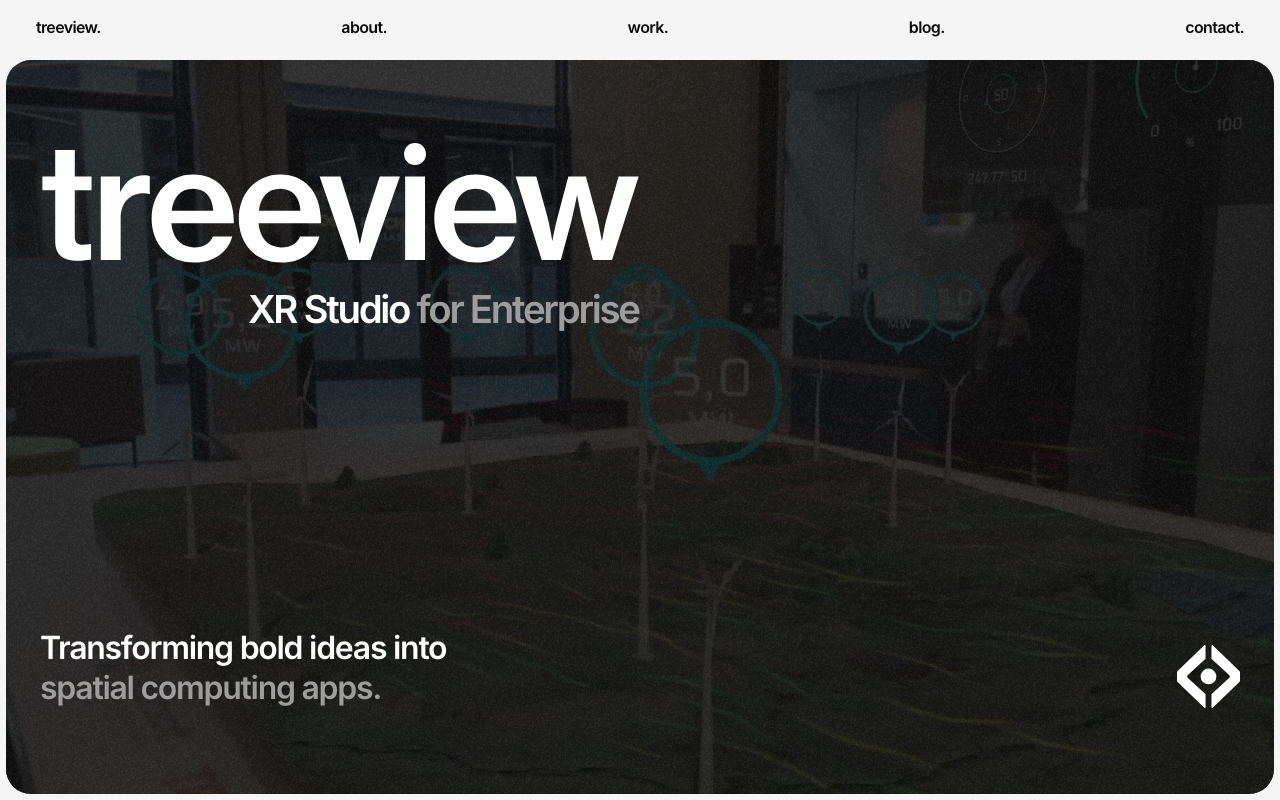
Treeview is an independent XR and spatial computing studio founded in 2016, with offices in New York City, and a senior-only team. For heritage and museum clients it delivers fully custom VR tours and reconstructions, covering capture strategy, 3D content creation, software engineering, and long-term support. Where platforms offer templated tours, Treeview builds bespoke experiences tuned to each site's history and narrative, with clients retaining full ownership of the resulting work and IP.
Key Strengths:
- End-to-end custom VR heritage and museum tour development
- Senior-only team, full IP ownership, and long-term partnerships
- Bespoke reconstructions tailored to each site and collection
2. Excurio
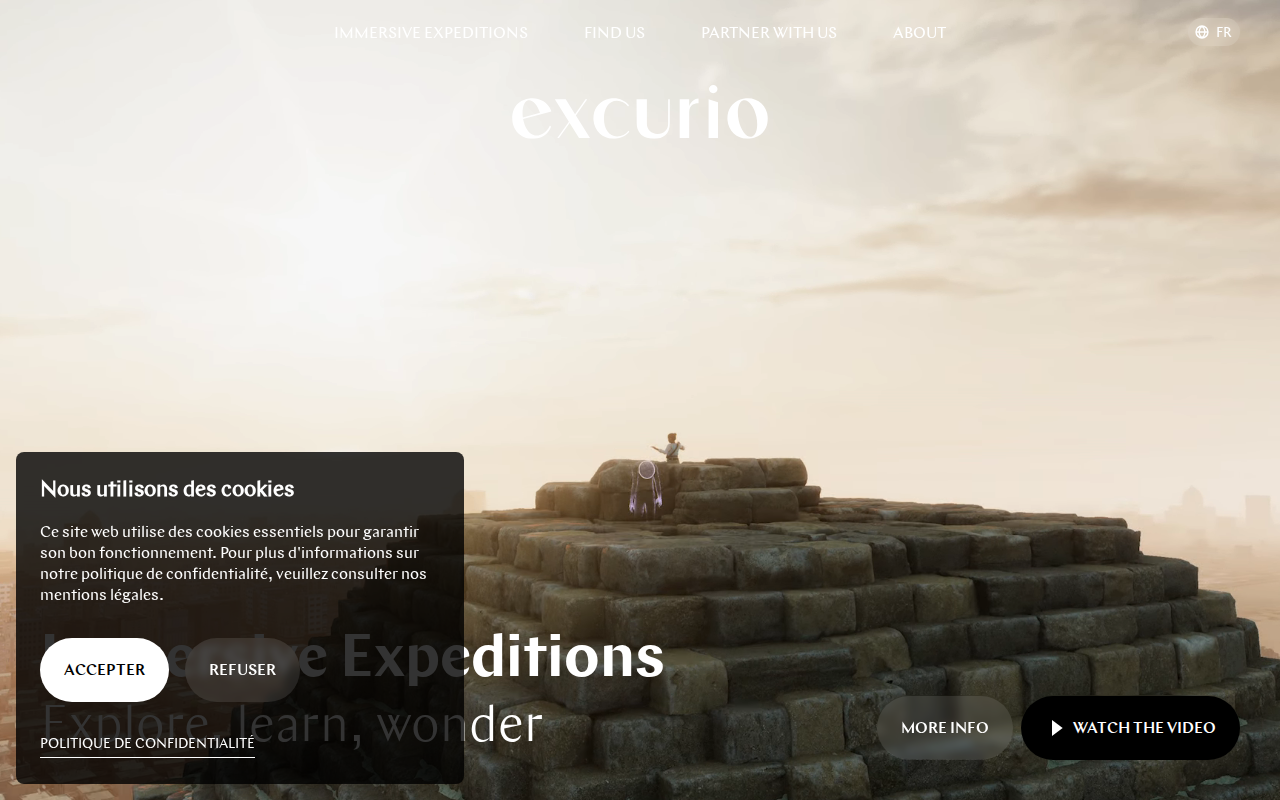
Excurio, formerly Emissive and based in France, is a leading creator of large-scale immersive VR experiences for cultural institutions. Its credits include the Louvre's Mona Lisa Beyond the Glass and an immersive Notre-Dame experience. The studio specializes in free-roaming, multi-visitor VR that turns heritage into shared spectacle. Excurio is a top choice for institutions planning landmark ticketed immersive tours.
Key Strengths:
- Large-scale free-roaming immersive VR for museums
- Flagship work with the Louvre and Notre-Dame
- Strong production values for ticketed cultural experiences
3. CyArk
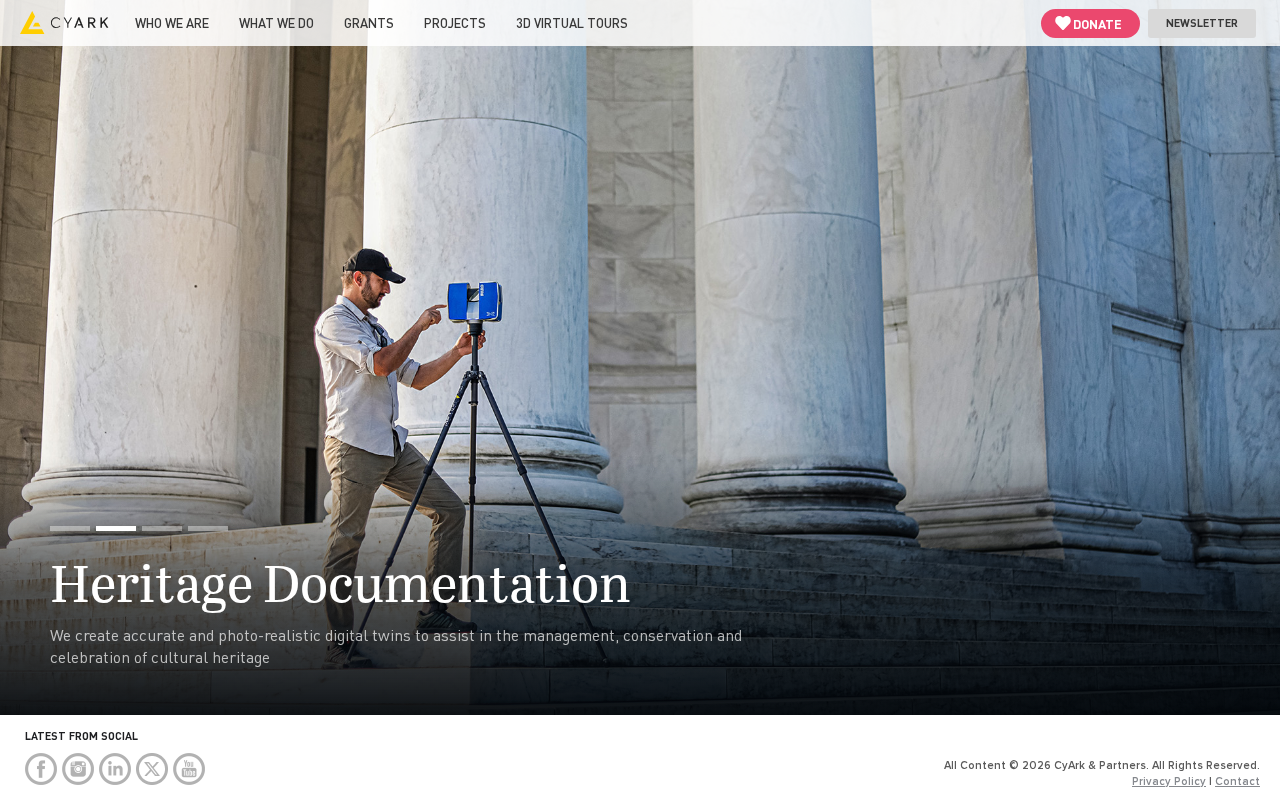
CyArk is a USA-based non-profit dedicated to digitally preserving cultural heritage sites through 3D capture. It has documented UNESCO and at-risk sites worldwide and partners with Google Arts and Culture to share them publicly. Its focus is rigorous preservation and open access rather than commercial spectacle. CyArk suits institutions and heritage bodies prioritizing accurate documentation and long-term preservation.
Key Strengths:
- Preservation-focused 3D capture of heritage sites
- Documentation of UNESCO and at-risk locations
- Public access through partnerships such as Google Arts and Culture
4. Iconem
Iconem, based in France, specializes in high-precision 3D digitization of endangered cultural heritage, with projects spanning more than 22 countries. It combines drones, photogrammetry, and processing at scale to capture entire sites. The resulting models support exhibitions, research, and immersive experiences. Iconem is a strong fit for ambitious documentation of large or threatened heritage sites.
Key Strengths:
- High-precision capture across dozens of countries
- Expertise in large-scale and endangered sites
- Models that feed exhibitions and immersive experiences
5. Lithodomos
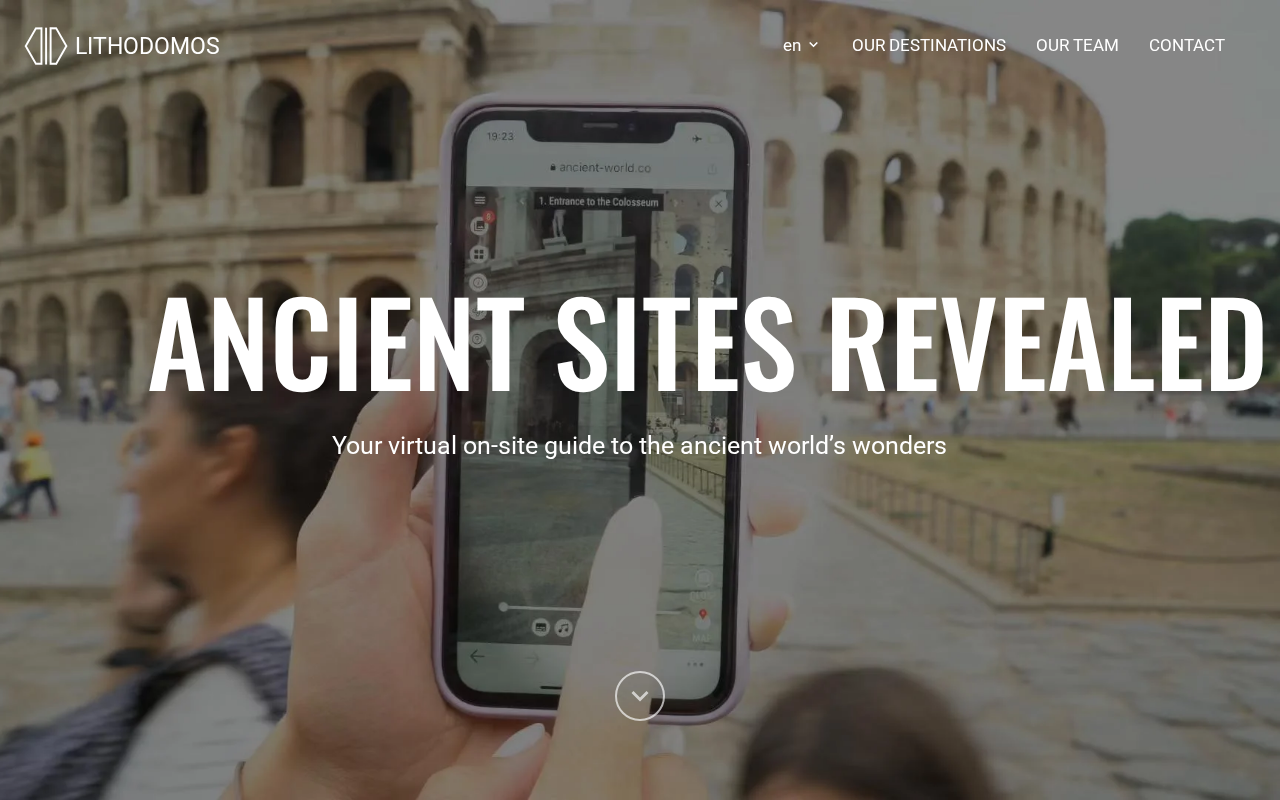
Lithodomos, based in Australia, focuses on archaeologically grounded reconstructions of the ancient world, including the Acropolis and the Colosseum. Its work is led by researchers to ensure historical accuracy in how sites are rebuilt in VR. The studio bridges scholarship and immersive visitor experience. Lithodomos is well suited to institutions wanting credible reconstructions of classical and ancient sites.
Key Strengths:
- Archaeologically grounded ancient-world reconstructions
- Research-led approach to historical accuracy
- Credits including the Acropolis and the Colosseum
6. Flyover Zone
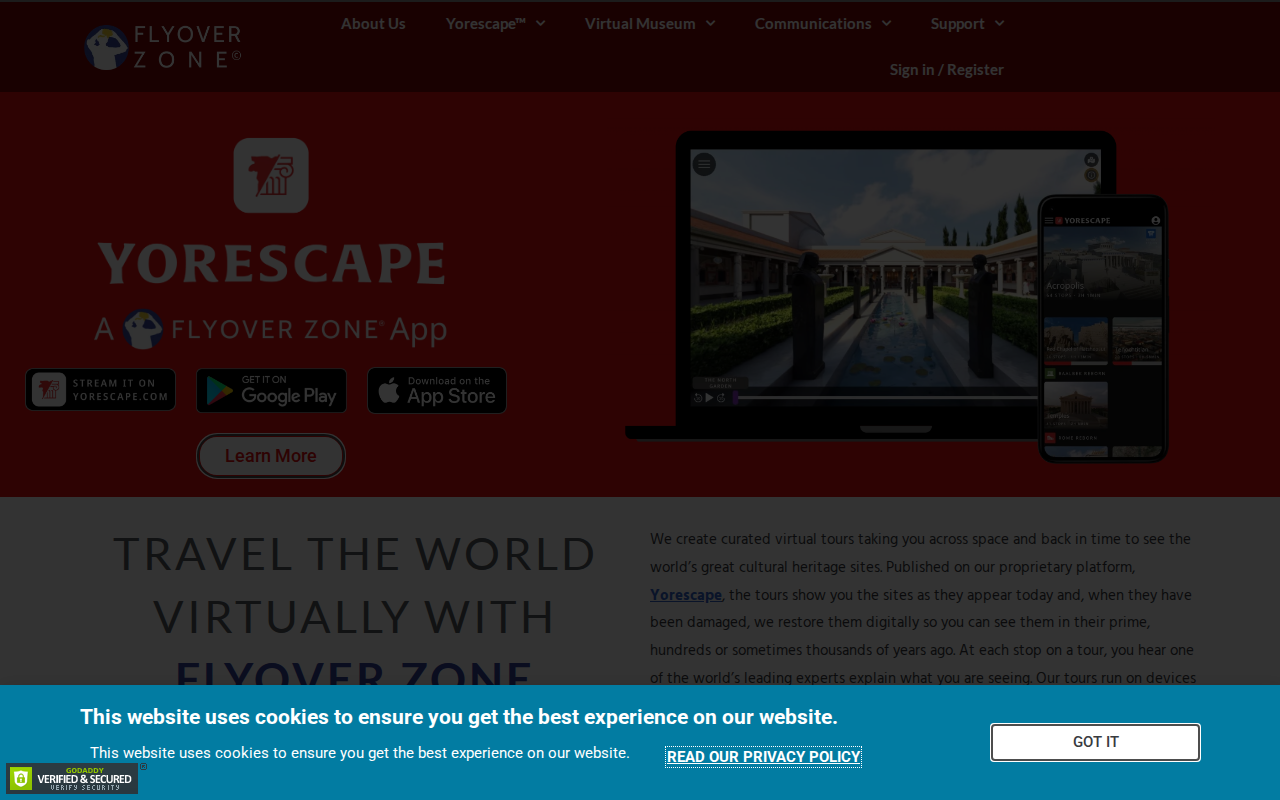
Flyover Zone, based in the USA, creates VR and 3D experiences of the ancient world that let users explore reconstructed historical sites. Its work emphasizes educational depth and faithful recreation of monuments and cities as they once stood. The experiences serve museums, classrooms, and cultural tourism. Flyover Zone is a good option for institutions focused on ancient history and education.
Key Strengths:
- Detailed VR recreations of ancient sites and cities
- Educational focus suited to museums and classrooms
- Accessible exploration of historical reconstructions
7. Factum Foundation
Factum Foundation, based in Spain, is renowned for high-fidelity 3D scanning and the creation of exact facsimiles of cultural treasures, including a facsimile of the tomb of Tutankhamun. It blends advanced capture technology with conservation expertise. Its outputs span physical facsimiles and digital records that support preservation and access. Factum suits projects demanding the highest fidelity in heritage reproduction.
Key Strengths:
- Exceptionally high-fidelity 3D scanning and facsimiles
- Conservation-grade documentation of cultural treasures
- Work including the Tutankhamun tomb facsimile
8. ScanLAB Projects
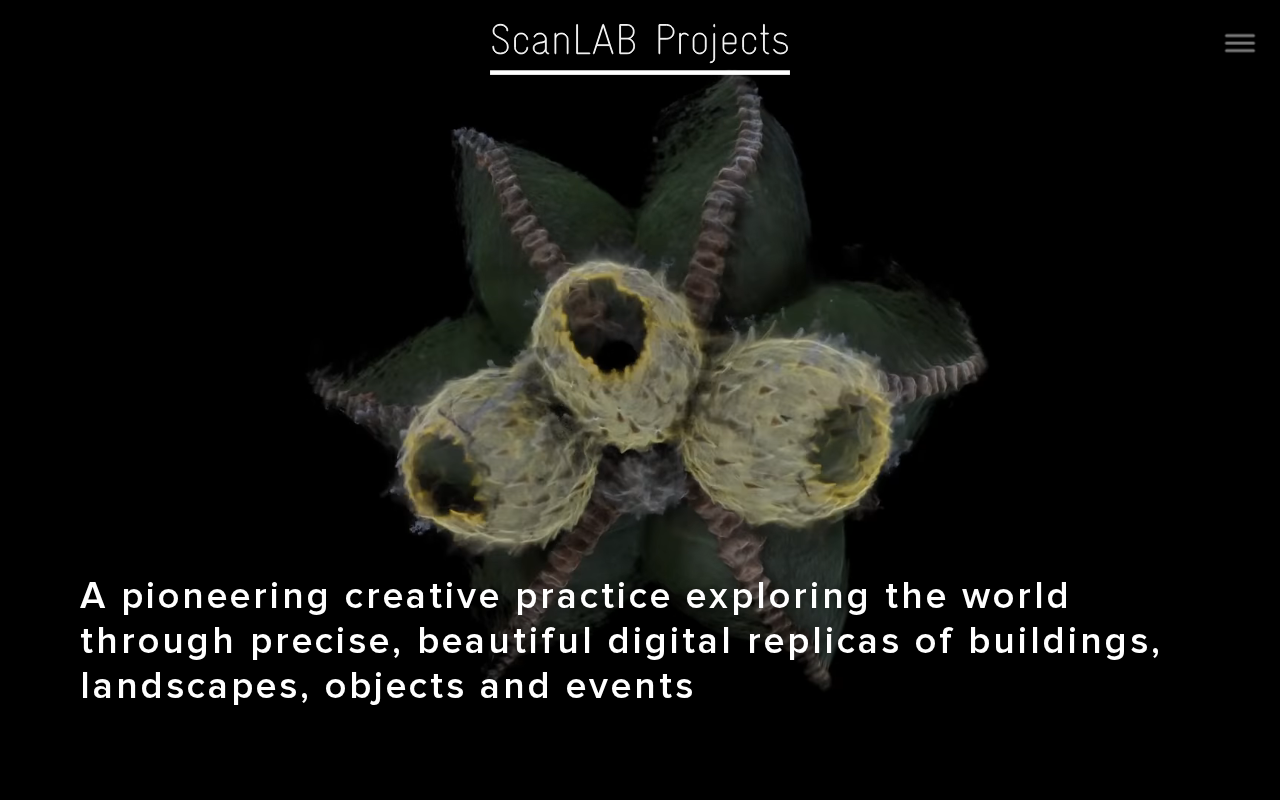
ScanLAB Projects, based in the UK, is known for cinematic 3D scanning of heritage and landscapes, including work for the BBC series Italy's Invisible Cities. The studio turns laser-scan data into striking visual experiences that blend documentation with artistry. Its strength is making scan data emotionally compelling, not just technically accurate. ScanLAB suits institutions wanting visually distinctive heritage media.
Key Strengths:
- Cinematic treatment of laser-scan heritage data
- Broadcast credits including Italy's Invisible Cities
- Blend of documentation and visual artistry
9. Smartify
Smartify, based in London, runs a widely used cultural platform that supports virtual tours at scale across many institutions. Its tooling lets museums publish navigable digital visits and reach audiences on their own devices. The platform model favors breadth and repeatability over bespoke flagship builds. Smartify is a practical choice for institutions wanting scalable virtual tours rather than custom reconstructions.

Key Strengths:
- Scalable virtual tours across many institutions
- Established platform with broad cultural adoption
- Audience reach through visitor-owned devices
Frequently Asked Questions
What is a virtual museum tour in VR?
A virtual museum tour in VR is an immersive, navigable digital version of a gallery, collection, or heritage site that visitors explore through a headset or, sometimes, a web browser. It can be built from photogrammetry scans of real spaces or fully reconstructed environments that recreate lost or inaccessible locations.
How are cultural heritage sites turned into VR?
Specialists capture sites using photogrammetry, laser scanning, and high-resolution photography, then process the data into accurate 3D models. Studios refine these into interactive VR environments, sometimes adding historical reconstruction to show how a site looked in the past.
Why use VR for cultural heritage preservation?
VR preserves a detailed digital record of fragile or at-risk sites, makes inaccessible locations available to global audiences, and supports research and education. It also lets institutions reconstruct destroyed or eroded monuments for interpretation without touching the originals.
Should institutions choose a custom studio or a platform for VR tours?
Platforms suit scalable, repeatable virtual tours across many spaces at lower cost. A custom studio is the right choice for flagship reconstructions, scientifically accurate heritage models, and bespoke narrative experiences that require specialist capture and craftsmanship.
The best heritage VR partner depends on whether you need a faithful digital record, an interpretive reconstruction, or a scalable touring product. Browse more arts and culture VR companies across Reality Atlas to build your shortlist.
Related Guides
Frequently Asked Questions
What is a virtual museum tour in VR?
A virtual museum tour in VR is an immersive, navigable digital version of a gallery, collection, or heritage site that visitors explore through a headset or, sometimes, a web browser. It can be built from photogrammetry scans of real spaces or fully reconstructed environments that recreate lost or inaccessible locations.
How are cultural heritage sites turned into VR?
Specialists capture sites using photogrammetry, laser scanning, and high-resolution photography, then process the data into accurate 3D models. Studios refine these into interactive VR environments, sometimes adding historical reconstruction to show how a site looked in the past.
Why use VR for cultural heritage preservation?
VR preserves a detailed digital record of fragile or at-risk sites, makes inaccessible locations available to global audiences, and supports research and education. It also lets institutions reconstruct destroyed or eroded monuments for interpretation without touching the originals.
Should institutions choose a custom studio or a platform for VR tours?
Platforms suit scalable, repeatable virtual tours across many spaces at lower cost. A custom studio is the right choice for flagship reconstructions, scientifically accurate heritage models, and bespoke narrative experiences that require specialist capture and craftsmanship.